回应模式 - No.68300705
No.68300705 - 综合版1
对游客的看法?无名氏No.68300705 只看PO
2026-03-17(二)19:52:35 ID:Gys2Wc4 回应
中国人民对西方外国游客有什么看法?
我正在考虑申请一份为期10年的旅游签证,但我感到有些紧张,因为中国似乎与我之前去过的任何其他国家都截然不同. (;´Д`)
无标题无名氏No.68419113
2026-04-03(五)05:09:29 ID: SJC3jc0
很惊讶能在岛上看见外国人,这里是一点对于在中国旅游的建议:
1:关于吃,中国根据地域划分有八种主要菜系,你可以根据介绍来选择你想要品尝的东西
2:关于手机,所有谷歌服务在中国都不能使用,来中国还是建议先买个v.p.n,方便使用谷歌搜索
但地图软件推荐高德地图,它内置了一个打车服务,可以从不同的打车服务商里竞价选择最快接单的
中国的软件公司习惯于在一个软件里内置许多不同的功能,例如支付宝里有医疗保险,临时身份证,公共交通付款等功能,而微信除聊天外还有“小程序”功能,许多服务(如点餐和预约景点)需要搜索相应的小程序才能使用
3:关于文化,中国人有将好客作为美德的传统,因此你能看见串里大多数人都很热情。因为中国不是移民国家,所以外国人较为罕见,做好被认为是珍稀物种的准备。中国人很可能对你的政治倾向等话题感兴趣,因为我们最常在政治上接触外国
当然,中国也存在种族主义者,其中一些种族主义者的产生正是因为不满外国人所受到的优待。我只能保证大多数人是友善的
同时,在中国,获得警察和医疗等服务并不是一件麻烦的事情,在一些时候(例如让警察帮忙寻找失物时)你甚至会因为外国人的身份得到相应的优待
4:关于服务,中国的人工服务成本比发达国家低,因此服务态度会很好,尤其是在餐厅或银行等场所。寻求服务人员的帮助是非常常见的事情,而许多餐厅(并非全部餐厅)会提供免费的饮用水和抽纸
中国有着相当发达的快递和外卖配送系统,外卖点餐在这里是相当常见并且廉价的选择。你可以下载美团等外卖app,这些app除了外卖外还有租借充电宝,远程送药,买景点门票等功能,但一般不能打车
5:关于安全,中国的治安条件很好。至少在大城市,你几乎不可能遇到抢劫,极少遇到盗窃。丢失物品被人捡走不还的可能性倒是存在
在中国,夜间出门大多数情况下是非常安全的,不必忌讳这一点
6:关于花钱,你所看见的价格就是你要花的钱,不需要支付额外的消费税或小费
无标题无名氏No.68419117
2026-04-03(五)05:13:32 ID: SJC3jc0
最后,中国人最常见的划分是南方人和北方人,以居住地相对于淮河的方向划分。南方人和北方人除了有共同的文化认同外,生活习惯,饮食,方言和性格都存在一定的差异。更广泛地来说,每个省都存在些许差异。
无标题无名氏No.68419149
2026-04-03(五)06:25:21 ID: Gys2Wc4 (PO主)
I'm quite curious about if the city "tier system" is really as big of a deal as I've heard it is. I was recently talking to somebody online about my plan and they were quite shocked for me to mention that I was planning on visiting tier 3 cities.
Is there really that much of a difference between Tier 3 and Tier 2 cities? I'm also quite curious on if the difference between the "new tier 1"/"tier 1.5" and tier 1 cities are that big?
我很好奇,城市“分级体系”是否真的像我听说的那样重要。我最近在网上和别人聊到我的计划时,对方听说我打算去三线城市,显得相当震惊。
三线城市和二线城市之间真的有那么大的差别吗?我也很好奇,“新一线”/“1.5线”和一线城市之间的差距是否也那么大?
>>No.68347882
别担心,我显然没打算违法。反正我也不抽烟,所以也没有什么真正的理由随身带个打火机。不过我倒是听说过不少关于中国香烟的事,因为在别的地方买不到,所以多少还是有点好奇.
>>No.68347922
我明白了……看到“狗屎糖”的时候,我确实有点猝不及防,因为我一开始还以为我用的翻译器出错了。真不敢相信这东西居然真的叫这个,哈哈
>>No.68347940
Thanks for the info, I wasn't aware on why it was called that so it's pretty cool to know.
Does the dish normally come w/ the sauce already applied or are you supposed to pour it yourself?
谢谢你提供的信息,我之前不知道它为什么叫这个名字,所以知道之后觉得挺酷的。
这道菜通常是上桌时就已经浇好酱汁,还是需要自己淋上去?
>>No.68348132
你会推荐那个口味的方便面选哪个品牌吗?这里各个品牌的质量差异非常大.
>>No.68348140
好在我在其他一些帖子里注意到了 ( ゚∀゚)
>>No.68350841
知道这个真好,根据我之前听到的一切,我原本还以为那里已经完全不用现金了,所以这真让我大开眼界.
>>No.68418710
我还在其他一些帖子里发言,只是这段时间一直比较忙,也没有太多时间去考虑这次旅行相关的各种事情,所以这个帖子我有一阵子没发了。等之后有了更多进展,我打算继续更新这个帖子. (;´ヮ`)7
>>No.68419113
>关于手机,所有谷歌服务在中国都不能使用,来中国还是建议先买个v.p.n,方便使用谷歌搜索
我之前听说,外国人使用临时 SIM 卡时,防火墙那边不会有什么问题。我肯定会再多做一点研究。我不知道你对技术有多了解,不过我已经有几台 VPS 了,所以我是不是直接搭个 Shadow.socks 或 V2.Ray 服务器就行?(我对这些额外做了混淆的协议不太懂,因为我以前唯一搭过的代理软件只有 WireGuard。)
>中国人很可能对你的政治倾向等话题感兴趣,因为我们最常在政治上接触外国
我经常在网上听说中国人不喜欢美国人,考虑到当前的政治环境,这也可以理解。我很好奇自己会不会因此受到某种刁难;即便会,我大概也不会觉得是什么大事,因为我并不为自己的出身感到羞耻,不过我还是挺好奇的.
>同时,在中国,获得警察和医疗等服务并不是一件麻烦的事情,在一些时候(例如让警察帮忙寻找失物时)
>关于安全,中国的治安条件很好
听到这个我很高兴,因为每次到了陌生的地方,我总会有点担心自己的东西被偷.
>中国有着相当发达的快递和外卖配送系统,外卖点餐在这里是相当常见并且廉价的选择。
我之前听说过这个。我很想试试,但我觉得在一个值得去探索的新地方点外卖,好像会有点浪费。不过如果我真的要从他们那里点餐,我有个问题:还是可以把食物送到酒店或公寓吗?因为有时候在这里,Uber Eats/Doordash 在这些地方是不能送的.
>关于花钱,你所看见的价格就是你要花的钱,不需要支付额外的消费税或小费
真有意思……这让我很难相信,因为我已经太习惯在各个地方结账时因为税费被额外收费了,听起来很不错……
>>No.68419117
我听说确实有一些差异,但我还没怎么认真想过。我原以为更大的差异会体现在城市的级别上.
无标题无名氏No.68419185
2026-04-03(五)07:02:07 ID: 4oFnDNS
>>No.68419149
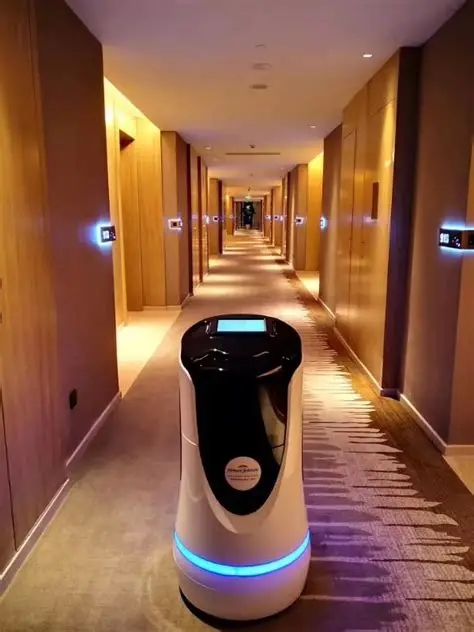
外卖可以送到酒店(和你住的酒店有一定关系,最好问问前台),很方便。有的酒店会用机器人把外卖送到房间门口
无标题无名氏No.68419202
2026-04-03(五)07:13:38 ID: IcowZkK
>>No.68419149
China's city tier system based on economic vitality is an informal but widely used classification in business, media, and everyday conversation. It reflects a city's economic strength, consumer market, business attractiveness, and overall development. Here’s a breakdown:
1. First-Tier Cities (一线城市)
The top economic and global hubs.
* Representative Cities: Beijing, Shanghai, Guangzhou, Shenzhen (often abbreviated as "Bei Shang Guang Shen").
* Key Features:
* Economic Powerhouses: Contribute massively to national GDP; headquarters of most large corporations and multinationals.
* Global Connectivity: Major international transport and financial hubs.
* High Cost of Living: Leading in income, but also in real estate prices.
* Trendsetters: Centers for finance, technology, fashion, and culture.
2. New First-Tier Cities (新一线城市)
A dynamic group of rising megacities with rapid growth and increasing influence. This category, popularized by the Yicai magazine ranking, is closely watched.
* Representative Cities (typically 15 cities): Chengdu, Chongqing, Hangzhou, Wuhan, Xi'an, Tianjin, Suzhou, Nanjing, Zhengzhou, Changsha, Dongguan, Shenyang, Qingdao, Hefei, Foshan.
* Key Features:
* Growth Engines: Drivers of regional economies with fast-growing GDP, population, and infrastructure.
* Talent Hubs: Attracting university graduates and professionals with growing job markets.
* Consumer Markets: Booming middle-class consumption; key markets for retail and luxury brands.
* Improving Livability: Often seen as offering a better work-life balance than top-tier cities.
3. Second-Tier Cities (二线城市)
Generally prosperous provincial capitals or strong regional economic centers.
* Examples: Jinan, Xiamen, Harbin, Wuxi, Fuzhou, Dalian, Kunming.
* Key Features: Stable economies, important within their regions, and undergoing steady modernization and urban development.
4. Third-Tier Cities (三线城市)
Medium-sized cities, often prefecture-level capitals, with growing but more localized economies.
* Examples: Yantai, Weifang, Jinhua, Yangzhou, Zhuhai.
* Key Features: Experiencing urbanization and industrial upgrades, with consumer markets gradually expanding.
5. Fourth-Tier & Fifth-Tier Cities (四线/五线城市)
Smaller cities and counties. The focus is on basic infrastructure development and serving local populations.
* Key Features: Lower cost of living, slower economic growth, and less exposure to international trends. They represent the vast foundational layer of China's urban system.
Important Context:
* Dynamic & Informal: This system is fluid. Cities can move between tiers (especially New First-Tier) as they develop.
* Key Criteria for Ranking (used by analysts like Yicai):
* Commercial and business attractiveness
*
* Size of the consumer market
* Transportation and urban infrastructure
* Future growth potential
* Quality of life and talent attraction
* Distinction from Administration: This is purely about economic/commercial vitality. A city like Chongqing (administratively a Municipality) is often ranked as a New First-Tier city economically, while a city like Shenzhen (administratively a sub-provincial city) is a solid First-Tier city.
In essence, this tier system is a crucial map for understanding market entry, investment, and the varying paces of development and opportunity across China's vast urban landscape.